Aurora Chasing
&
Photography
Upcoming Events
August 30-31: Super Blue Moon
Aurora Chasing 101
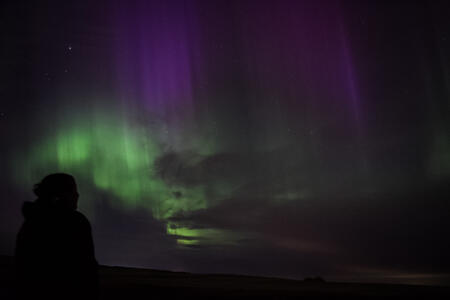
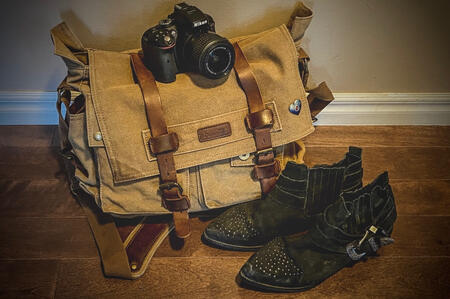
Photo advice
My Store
Aurora Chasing
HOW TO FIND THE AURORA
The TLDR is: go outside and look up!The long version is:
1. Learn what all the different science/data measurements mean
2. Grab an aurora forecast app or two for your phone (I mainly use Aurora free version)
3. Join an Aurora Chasers facebook group for your area. The Alberta Aurora Chasers facebook group is awesome!
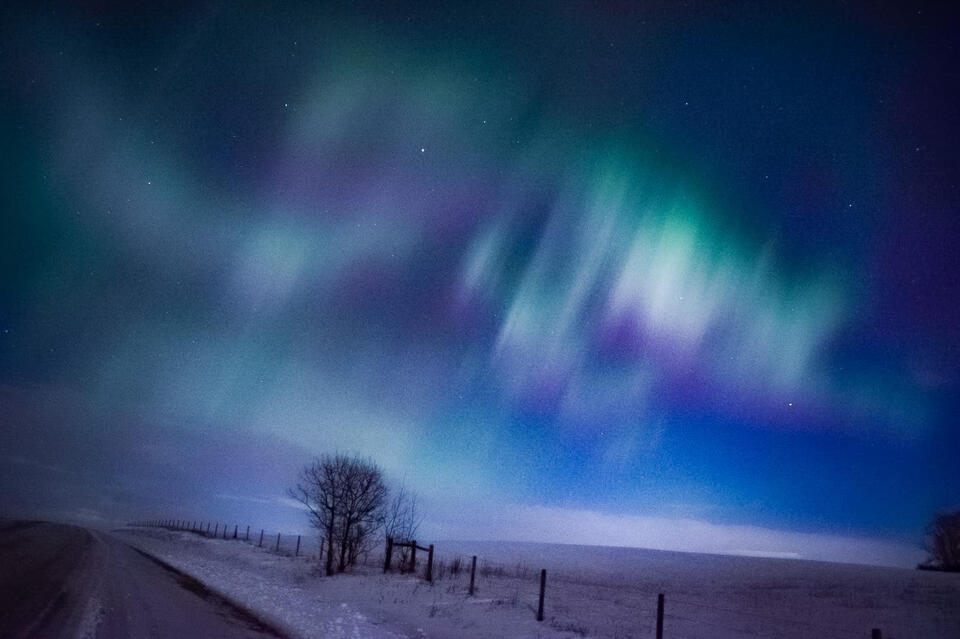
4. Trust your instincts. On Valentines Day, I was taking photos of a beautiful aurora on a cloudless nights while my app was telling me that there was a 0% chance of seeing the aurora because there was 95% cloud coverage at only 2KP. Sometimes you just have to go look for yourself!
5. Be patient! The aurora is not on a schedule. In my experience, it goes through cycles of bright dancing lights and very pale haze several times in a night. Just because it may have faded away for now doesn't mean it won;t be back dancing again in 20 minutes!
6. Find a spot out of your city. The city lights will usually make it extrememly difficult to see the Aurora. Find a back road or a pullout with little to no traffic, no powerlines to obscure your view, and very few building lights to the north of you.EXPECTATIONS VS REALITY
Expectation: I will see bright green, red, and purple lights!
Reality: while this may be true, I don't want you to be disappointed. I live in the Calgary area, and down here it is common to see white/very light, uncommon to see bright green lights, and rare to see red lights with your naked eye. Purple can show up on your camera, but you probably won't see it with your eyes.
Your camera is likely to pick up more colors than your eyes can see. The super colorful aurora photos you have seen have probably been editted a little to help enhance the color.Expectation: the aurora is easy to predict! When the forecast says the activity is strong, it will show up.
Reality: our beloved Lady Aurora is unpredictable. There have been nights where the data was amazing, the forecast was for overhead lights, and the sky was empty the whole night. The data on apps, websites, and facebook groups is a helpful indicator, but there will be nights where the lights are a no show. I have also seen amazing auroras on nights where the apps and data were telling me that there was a 0% chance of seeing it.Expectation: I joined a facebook group. When others in my area tell me that the aurora is out, I will go out and see the best part of the show!
Reality: in my experience, if you wait for others in your area to tell you that the lights are out, you may miss the best part of the show. They get bright and active very quickly and can fade just as quickly. I find that if I wait until people 3 hours north of me can see them, I have enough time to get out to my photography spot before they get really active here. My advice is: if there is a rumour that the lights will be good, pack your kit for a long evening and go look for them yourself. That way, you won;t miss anything (except sleep maybe haha)A NIGHT IN THE LIFE
I thought it may be helpful for you to get a peek behind the curtain of what goes in to finding and photographing the aurora.During the day: make sure my camera batteries are charged, and I pack my snacks (usually Oreos or Goldfish crackers) and my waterbottle. I also check that I packed the rest of my bag and that my tripod is either with my kit or in my car. Don't forget to fuel up the car!Early evening: I check the Aurora app- is the KP looking good? What's the weather forecast? Cloudy? Super cold? It won't stop me, I just want to set my expectations. Time to check the Alberta Aurora Chaser's facebook group. What's the word about the data? How is it looking? Any reports of sightings so far?After sunset: there were reported sightings around Elk Island or the Edmonton area! I'm going to head out and check for my area. Put my kit in my car and go! I usually stop and pick up hot food and a hot drink from Tim Hortons or McDonalds (yummy night food!). I drive out to my "secret photo spot"- a place I scouted out where there is almost no traffic, building lights, or powerlines.Night time: once I get out to my photo spot, I set up my camera/tripod and take a couple test shots of the sky. This helps me to adjust my settings. I use my camera on my phone with a long exposure to check for any green in the sky. It doesn't have to be a good picture, I am just looking for the color.
If there is green and the lights are visible, it's photos time! Also time to call my list of people who want me to let them know when then lights are out!
If there is no green, I wait. Will usually watch videos on my phone, checking out my window for any appearance of the lights.
If I see white streaks in the sky, I do another green check on my phone.
I'll check the facebook group for any activity updates.Early morning:
If the lights are still dancing and I am still caffienated, I'm still going strong!
If the lights have been dancing, then fading, then dancing, then fading, I will probably be good with my photos and head home.
If there are no lights by now, I'll check the facebook group and apps again for any last hope before I head home. It's okay if I didn't see them, nights like this are part of the fun of the chase! It makes you appreciate it mroe when you do get to see them!Later that day: time for photo editing!
Photo advice
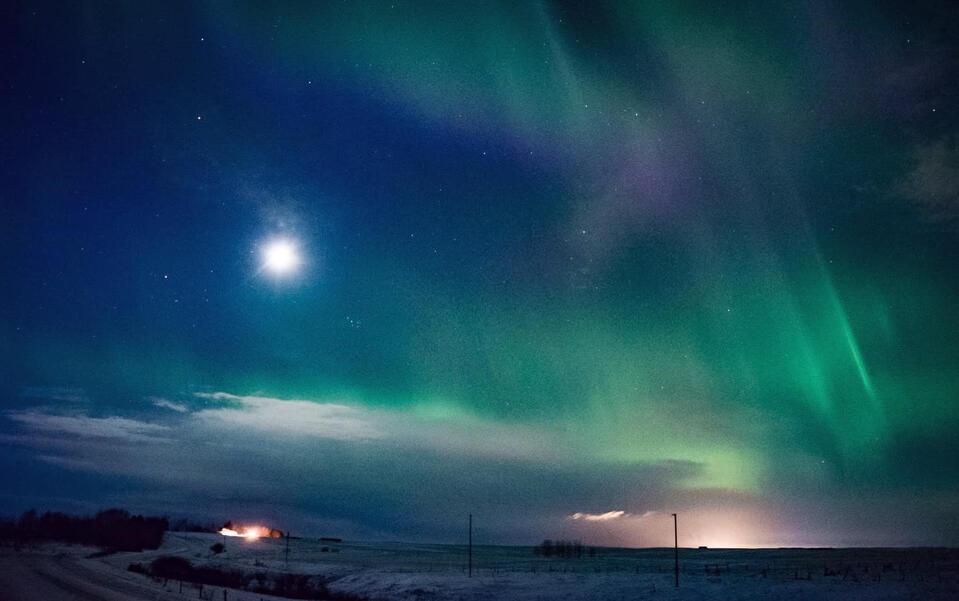
Settings
My base settings for aurora photos are:
f/3.5
2.5 second exposure
ISO 2500
Adjust as needed!CameraAh the great debate, which camera should I get? Now, I could do a comparison between different models features, prices, etc, but there are way better websites for that.My best advice is to set a budget and stick to it. I read somewhere that the skill of the photographer is more important than the quality of the camera, and that stuck with me. You can buy the fanciest camera and kit out there, but if you don't know how to use it, it is not going to be worth it. It is perfectly fine to get a beginner/intermediate camera kit to start out with. Save yourself the money, learn all you can about the different settings, get some experience, and then down the road, decide if you want to upgrade.I got my set up years ago during a Boxing Day sale. I scored a Nikon D5300 that came with two lenses.Lenses
For photographing the aurora, you will want a lens with as low of an f-stop as you can afford. The one I would like to get eventually is around $3,000 (WAY out of my price range), so I read guides on how to adapt my current lens set-up to be better.My current lens kit:
AF-P DX NIKKOR 18-55mm f/3.5-5.6G VR Lens
AF-P DX NIKKOR 70-300mm f/4.5-6.3G ED LensCamera Bag
If you are going to be chasing the aurora, I'd advise you to get a bag large enough to comfortably hold all of your gear for the evening.I have a Kattee camera bag and I am in love with it! It has an insert with 3 compartments, perfect for my camera and lenses. Even with the insert in the bag, I still have a ton of room for my laptop, iPad, photo advice book, wallet, and anything else I think I may need. There are a ton of pockets for things like spare batteries, chargers, and snacks :)
Incase you want to have a look at it, this is the Kattee bag Amazon link.
(I am not affiliated with these guys, I just really like my camera bag haha)Tripod
Get a collapsible travel tripod! They are super handy. I made sure that my tripod is tall enough so that I can adjust the camera and take pictures while sitting in my car. This is really great for really cold winter nights!